Your parts. Your specification. Tier-1 facilities.
dSeiki connects your program to custom-designed engine components manufactured in Tier-1 facilities — the same factories that build for the world's leading OEMs and race teams. Until now, that access simply wasn't available outside high-volume production contracts.
Tier-1 manufacturing facilities don't take calls from independent programs. Minimum volumes, long-term contracts, and direct OEM relationships keep that door shut. dSeiki opens it. We design your component, place and manage production inside a certified facility, and every part ships through us before it reaches you.
01 //
Component Design
We engineer springs, valves, bearings, connecting rods, pistons, and crankshafts to your exact application requirements — FEA analysis, material selection, geometry optimization, and a complete manufacturing package that remains yours.
02 //
Your IP Stays Protected
The manufacturing facility never has a direct relationship with you. Your designs, specifications, and program details are managed exclusively through dSeiki.
03 //
Quality Gateway
Every shipment flows through dSeiki before it reaches you. We inspect, verify batch-level traceability documentation, and only release parts that meet the agreed specification.
Products
Engine Components
Every component designed from scratch for your application — not adapted from a catalog. Materials, geometry, and surface treatment specified to your exact requirements.
Valvetrain Components
// Valvetrain — 01
Precision Valve Springs
Tired of forcing a catalog spring onto a custom application? We design an exact spring for your cam lobe profile, valve mass, and RPM targets — from first principles, not a catalog part.
Multiple rate configurations including progressive and dual-rate options. High-frequency capability for extended RPM ranges where conventional springs begin to float.
Wire GradeCr-Si / Cr-V
Rate OptionsLinear · Progressive · Dual
High-FrequencyAvailable — specify RPM target
Cam MatchingLobe profile & valve mass input
FinishShot-peened & preset
// Valvetrain — 02
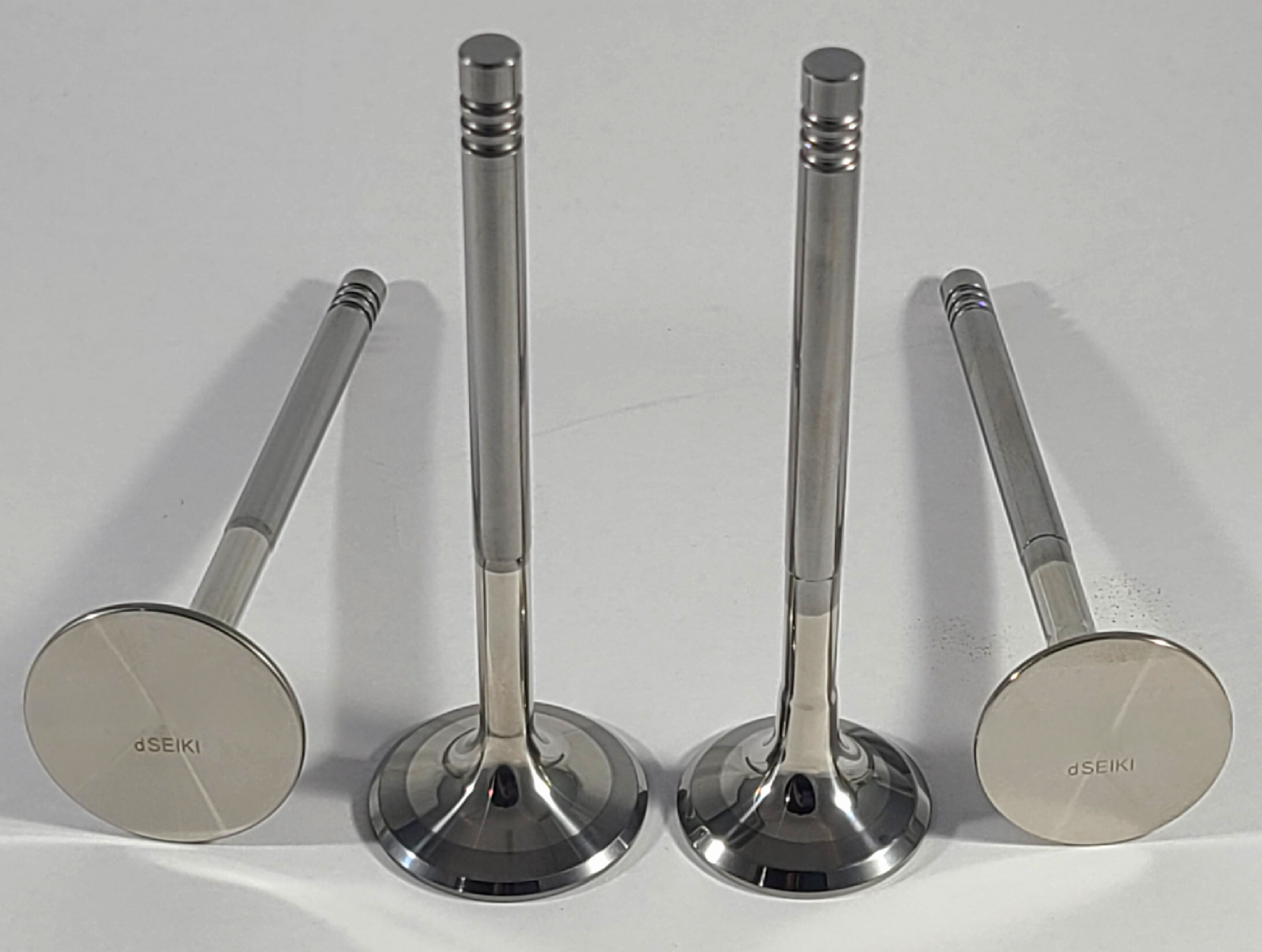
Engine Valves
Custom-geometry high performance valves designed to your port and seat dimensions. Material selection is application-driven — stainless for durability, titanium where reciprocating mass is critical, Inconel for extreme heat environments.
MaterialsNimonic · Titanium · Inconel
CoatingsDLC · CrN
GeometryHead dia · Stem · Underhead profile
Design BasisYour port/seat dimensions
ApplicationIntake & Exhaust
Bottom-End Components
// Bottom-End — 01
Plain Engine Bearings
Tri-metal and bi-metal plain bearing shells for crankshaft, connecting rod, camshaft, and thrust applications. Polymer overlay for modern high-load programs; traditional lead-based performance shells where proven bearing character is preferred.
ConstructionTri-metal / Bi-metal
OverlayPolymer or Traditional Lead
ApplicationsMain · Rod · Cam · Thrust
ClearanceSpecified to your data
TraceabilityBatch-level documentation
// Bottom-End — 02
Connecting Rods
Fully custom-designed connecting rods engineered to your bore spacing, stroke, and power output targets. Big-end and small-end geometry, beam section, and material grade are all application-specific.
Design BasisBore · stroke · power target
MaterialsSteel · Titanium — to application
GeometryBeam · Big-end · Small-end custom
ValidationFEA fatigue analysis
TraceabilityBatch-level documentation
// Bottom-End — 03
Pistons
Custom pistons designed around your bore, stroke, compression ratio, and combustion chamber geometry. Crown profile, ring land placement, pin bore offset, and skirt clearance all engineered to your application.
Design BasisBore · CR · chamber geometry
MaterialsForged aluminum — grade to application
CrownFlat · Domed · Reverse dome · Custom
CoatingsThermal barrier · Skirt coating
TraceabilityBatch-level documentation
// Bottom-End — 04
Crankshafts
Fully custom crankshafts designed to your stroke, journal sizing, counterweight balance, and firing order. Every dimension derived from your engine architecture — bore spacing, rod length, main bearing housing — not adapted from an existing casting.
Design BasisStroke · journal · balance · firing order
MaterialsBillet steel — grade to application
JournalsMain & rod — sized to your bearings
FinishNitrided · Micro-polished journals
TraceabilityBatch-level documentation
Process
From Inquiry to Production
01
Inquiry
Tell us your engine application, the component needed, and your volume. Existing drawings or sample parts are welcome.
02
Design & Spec
Our engineers define material grade, geometry, and surface treatment — FEA validation included for springs, rods, pistons, and crankshafts.
03
Quote & Samples
Quotation issued. On approval, engineering samples are produced, inspected by dSeiki, and submitted for sign-off before series production begins.
04
Production
Series production with SPC monitoring. Every batch inspected and released by dSeiki. Batch traceability documentation on every shipment.
Reverse Engineering
No drawing. No problem.
If the part exists — or ever existed — dSeiki can work from it. We take physical samples, worn components, 2D sketches, or client-supplied 3D scan data and produce a full CAD model and drawing package ready for certified production.
Obsolete & Discontinued Parts
The OEM stopped making it. The supplier closed. The tooling is gone. If a physical sample exists, we can bring the component back into production with a proper drawing package.
No Original Drawing Exists
Older engines and bespoke builds often have no surviving documentation. We measure, model, and create the drawing package from scratch.
Improving on an Existing Design
We reverse-engineer the baseline geometry, then apply engineering analysis to identify where material, profile, or coating changes will improve performance or durability.
A selection of components produced through the dSeiki process. Every part below started as a requirement; it left as a verified, documented component.
// Valvetrain & Bottom-End
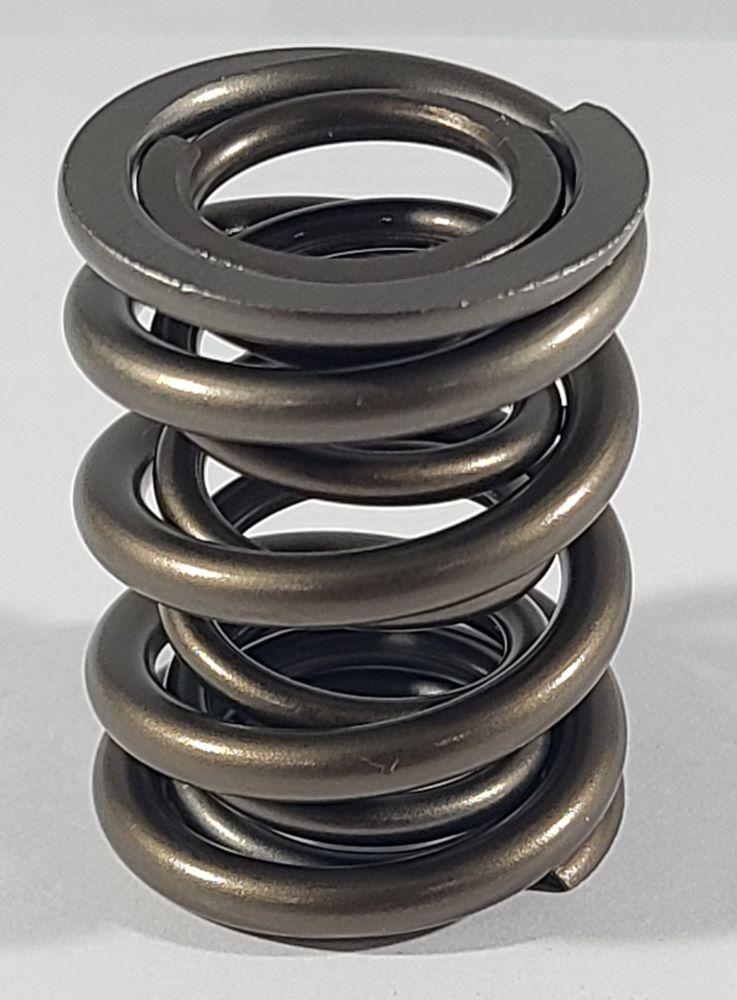
Dual Valve Spring
High-cycle fatigue-resistant dual-wound valve spring in OEM-grade Cr-Si wire. Custom designed to suit a specific cam lobe profile and valve mass to provide optmized performance in the client application.
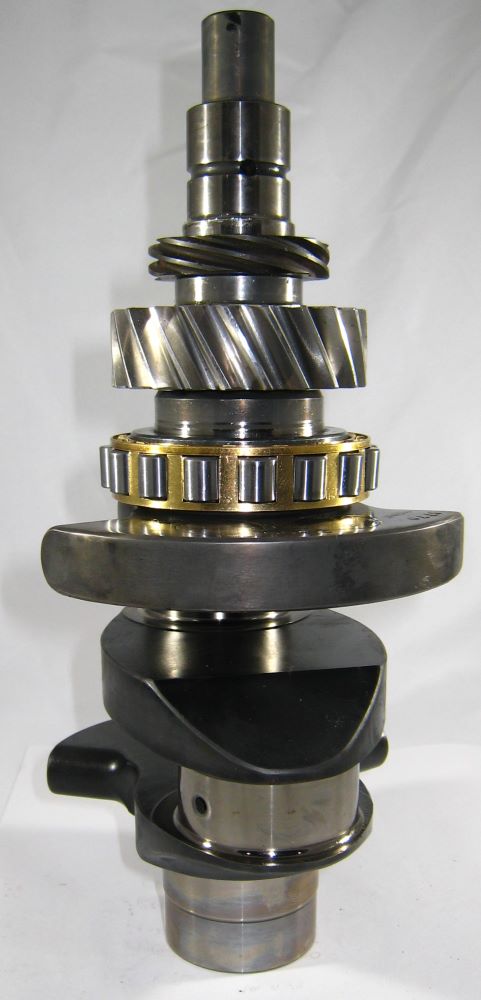
Crankshaft Assembly
Fully assembled crankshaft showing helical gear, roller main bearing, and finished rod journals. Every dimension derived from engine architecture and adjusted for racing requirements — stiffer, lighter, and more robust than the factory component.
Billet SteelHelical Gear DriveRoller Main BearingNitrided Journals
// Pistons & Connecting Rods
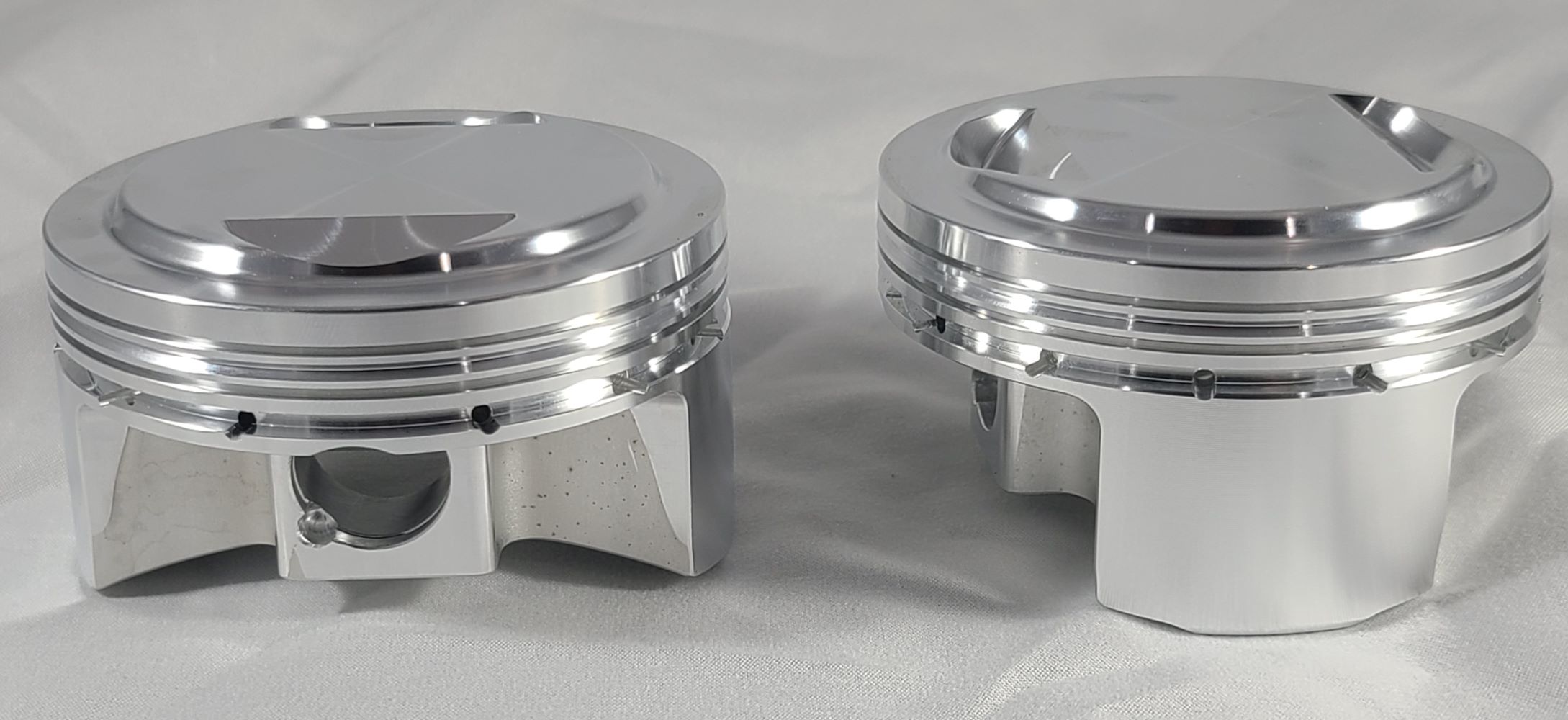
Forged Racing Pistons
High-performance forged aluminum pistons with valve reliefs, lightweight skirts, and precision ring land geometry. Crown profile and compression ratio engineered to the specific combustion chamber, fuel, and motorsport requirements of the application.
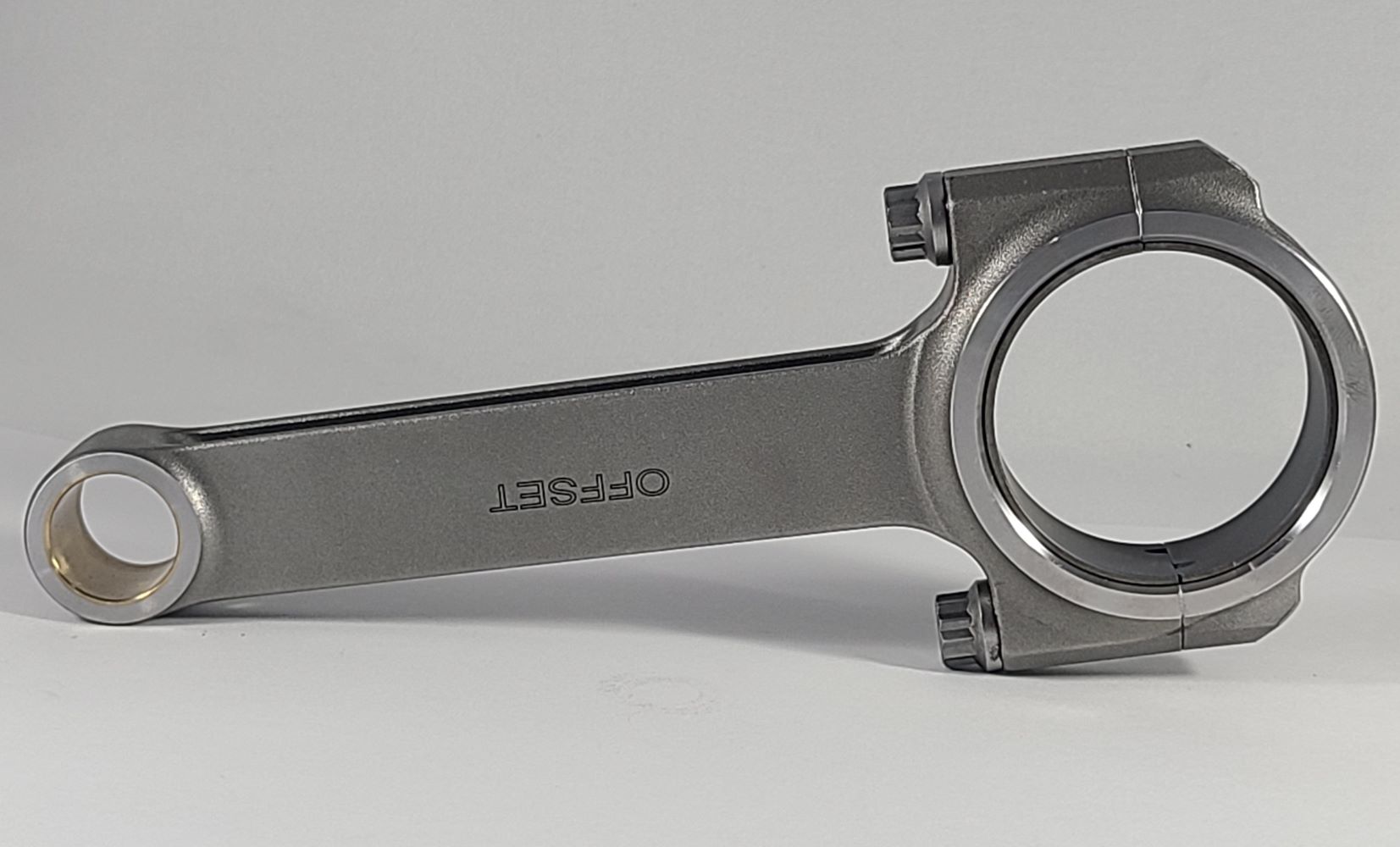
Connecting Rod — Offset Design
Custom connecting rod engineered to bore spacing, stroke, and power output targets. Offset small-end design accommodates specific engine geometry. All geometry application-specific — designed for the fatigue life the program demands.
// Reverse Engineering Case Study — Porsche 935 Front Upright
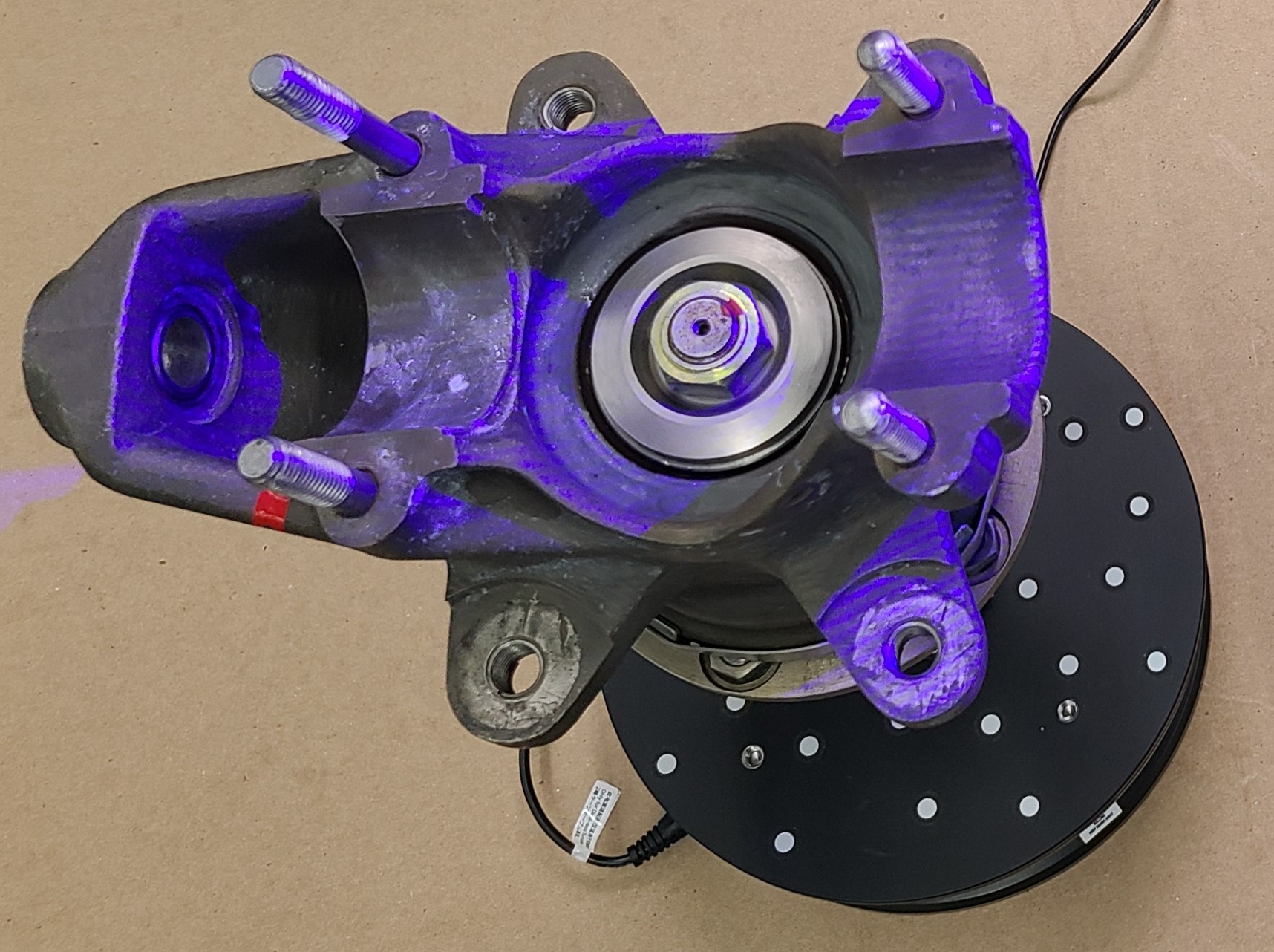
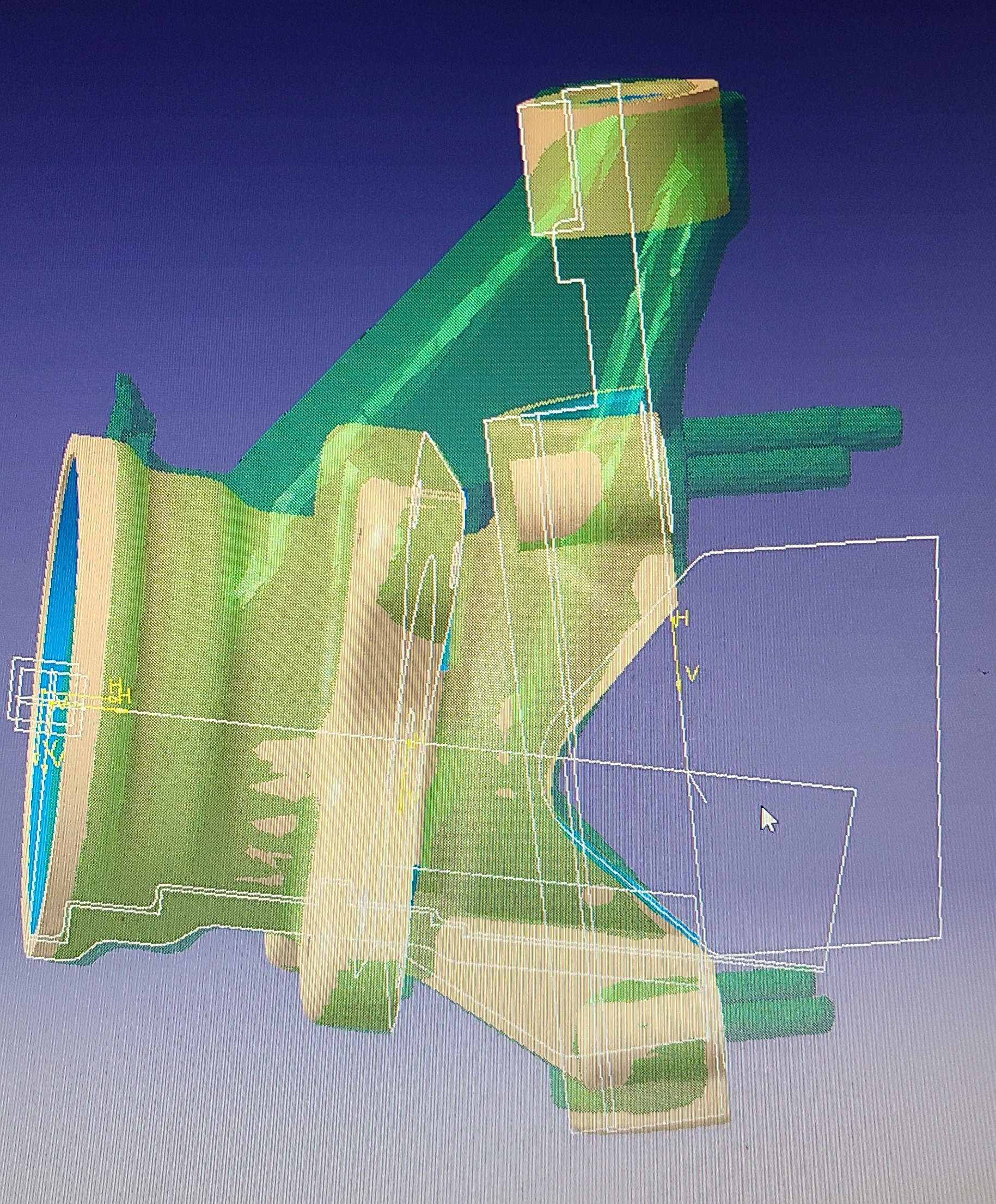
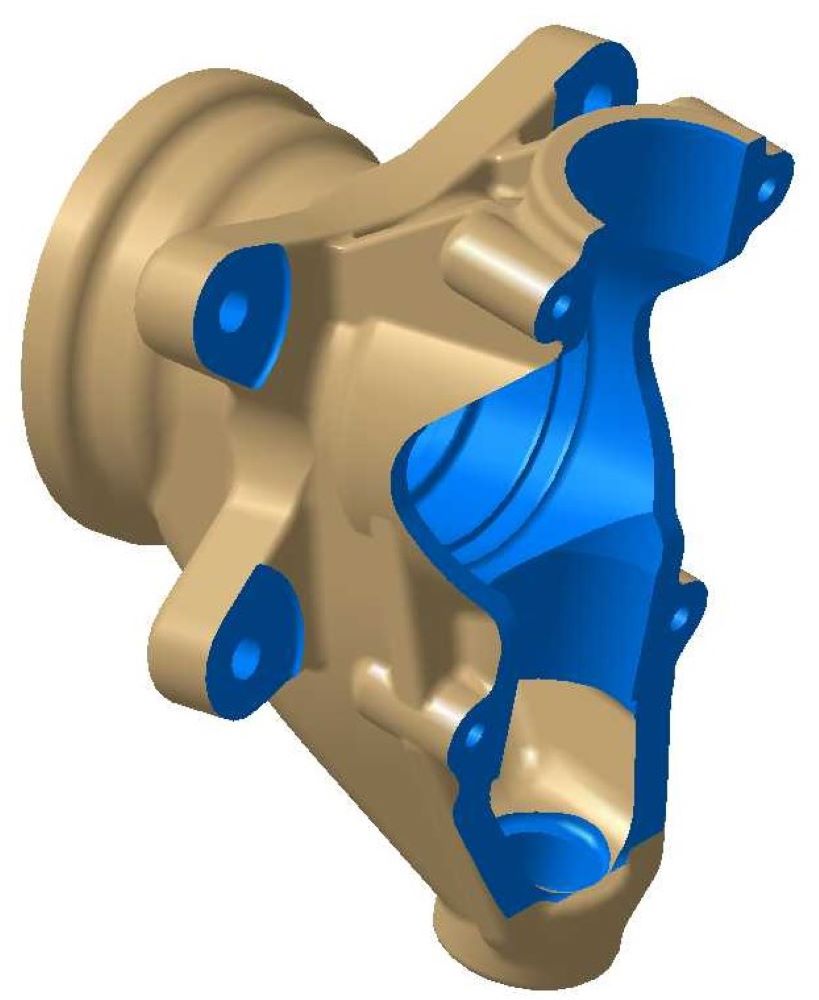
This Porsche 935 front upright was identified with a flaw during routine inspection. dSeiki captured the geometry through 3D scanning, processed the point cloud into a clean surface model, and produced a full CAD and drawing package ready for 3D printing and finish machining. The work below was completed in 8 days to meet a race obligation — a real race level design delivered at full race pace.
Stage 01
Physical Capture
Part mounted on scanning turntable with photogrammetry reference dots. Blue light scanning captures full geometry and complex cast surfaces.
Stage 02
Point Cloud Processing
Scan data processed into a surface mesh. Engineering analysis identifies critical dimensions and features requiring reconstruction to drawing standard.
Stage 03
Finished CAD Model
Clean parametric CAD model of the Porsche 935 front upright, fully dimensioned and ready for 3D printing or casting in modern materials then finish machining. The client now owns engineering records that never previously existed.
Same Program — Matched Drivetrain Ancillaries
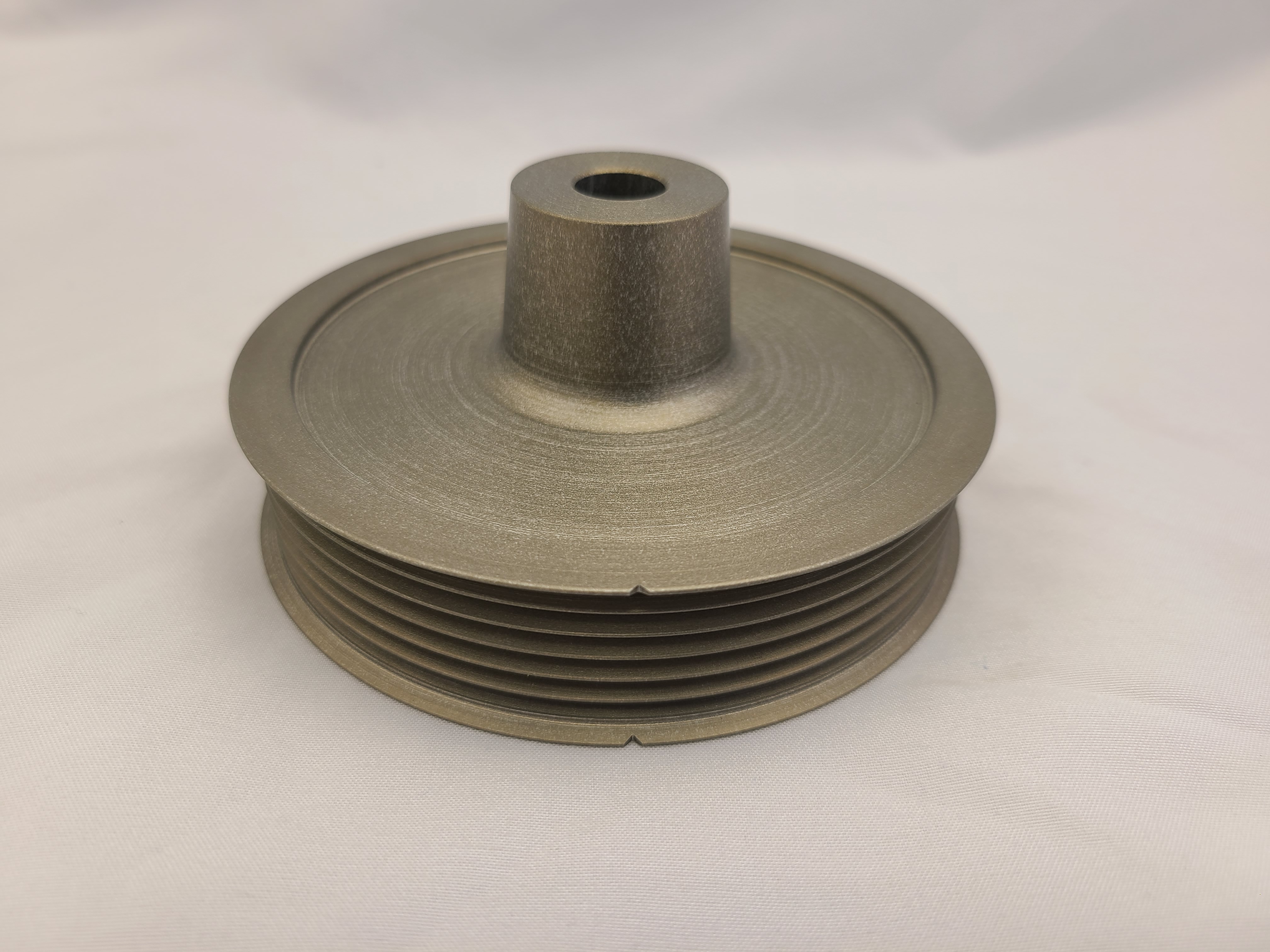
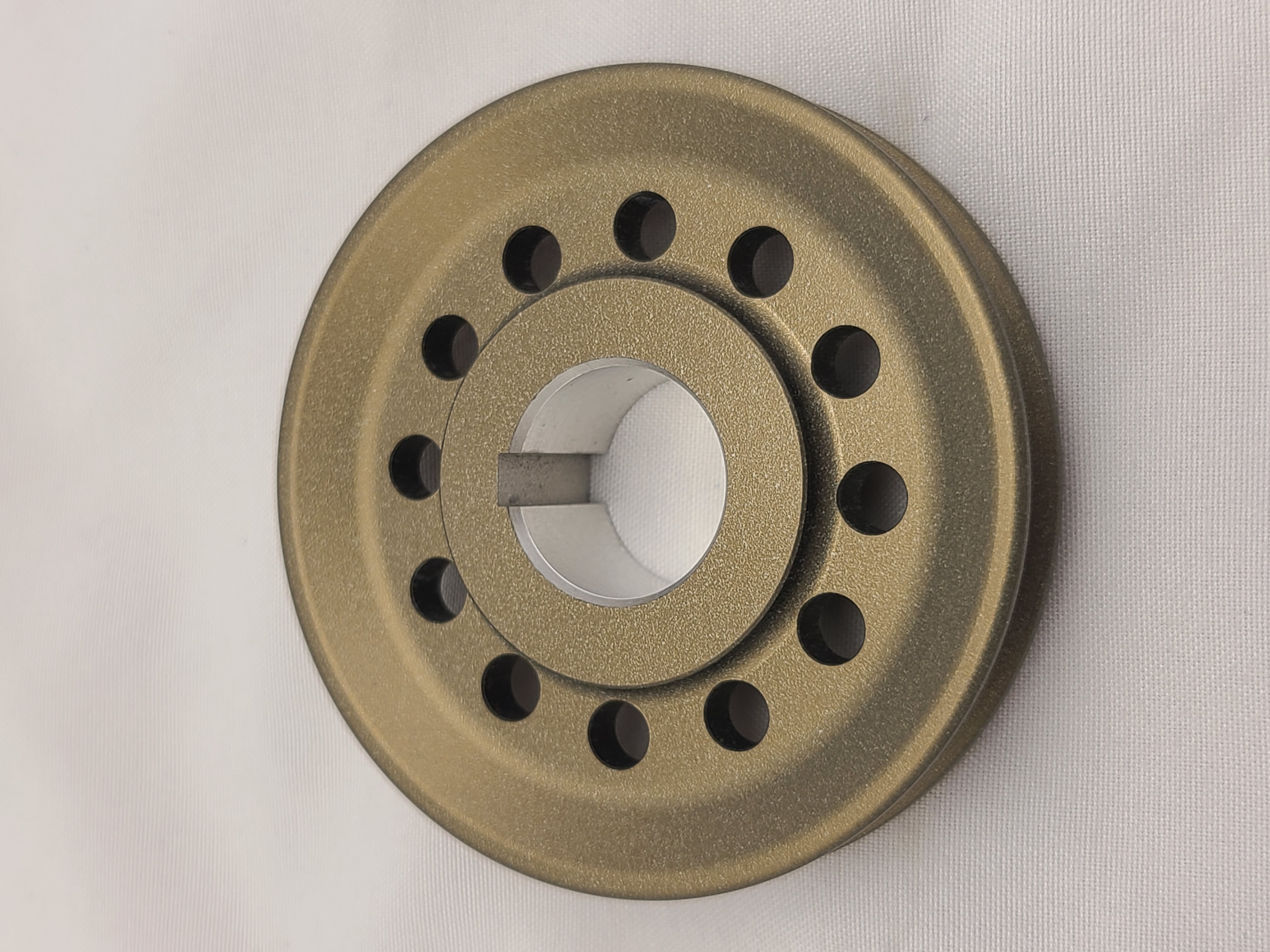
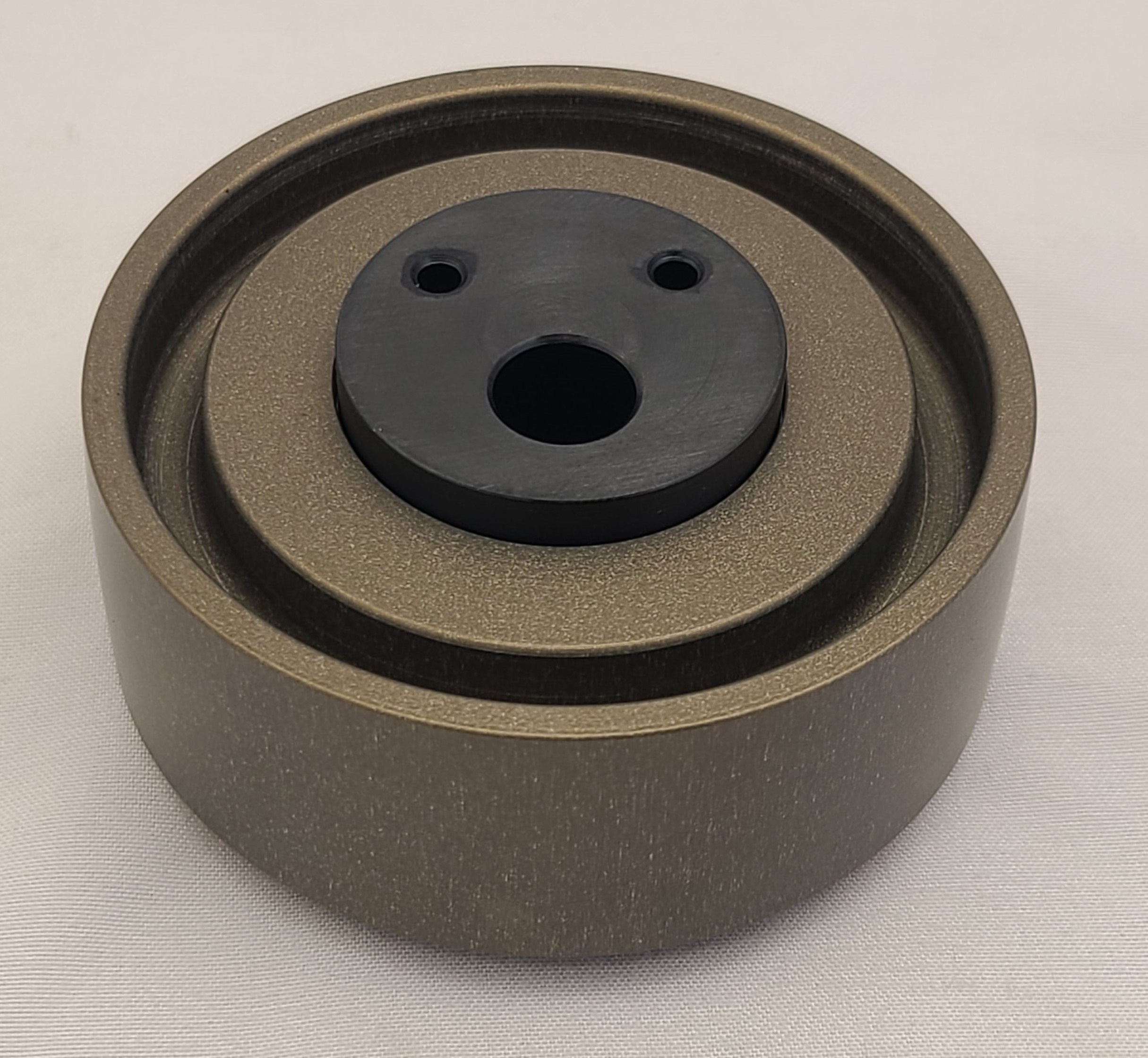
Three additional components reverse-engineered for the Porsche 935 restoration — crank pulley, alternator pulley, and idler pulley. Produced as a matched set with consistent alloy grade and surface finish for a concours level result.
The facilities dSeiki works with are generally in alignment with IATF 16949 — the mandatory quality standard for Tier-1 automotive production. It demands process discipline far beyond ISO 9001, and it's the reason parts from these facilities are trusted in production vehicles worldwide.
►
Process FMEA & Control Plans — risk is designed out before production begins, not discovered on track.
►
Statistical Process Control — dimensions monitored in real-time to Cpk targets throughout every production run.
►
Batch-Level Traceability — every shipment documented back to its production batch, certifying the alloy and process used.
►
dSeiki Quality Gate — parts ship through us, not direct from the facility. We inspect and release every batch before it reaches you.
Markets
Who Works With dSeiki
🏖️
Motorsport
Custom valvetrain and bottom-end components for high-RPM, high-load applications where OEM-grade fatigue life is non-negotiable.